

THE DANCE OF THE ZEPHYR
January 24, 2027, Doors open at 4 PM
GALA FUNDRAISER
Green Room at the San Francisco War Memorial
The Dance of the Zephyr invites patrons into an afternoon where music, movement, and generosity converge in support of the full artistic vision of the Zephyr Arts Collective—raising vital funds for Zephyr Symphony, Zephyr Chorus, and Vox Humana SF.
Set in an atmosphere of elegance and celebration, the Green Room at the War Memorial, the Gala begins as doors open at 4:00 PM, welcoming guests with wine, refined hors d’oeuvres, and a specially crafted themed cocktail designed exclusively for the evening. From the moment of arrival, the air is animated by surprise musical guests, setting a tone of delight, anticipation, and discovery.
At the heart of the afternoon is an intimate and radiant performance of Johannes Brahms’ Liebeslieder Walzer—music that dances between tenderness and joy, intimacy and exuberance. The work will be brought to life by an exceptional quartet of vocal artists: soprano Cheryl Cain, alto Leandra Ramm, tenor Kevin Gino, and baritone Matthew Peterson, accompanied by John Wilson and Don Scott Carpenter at the piano. Together, these artists embody the very spirit of the Zephyr: lyrical, expressive, and deeply human.
The Dance of the Zephyr is more than a Gala—it is a celebration of artistry in motion and a declaration of shared purpose. Through this afternoon, supporters help ensure that Zephyr’s orchestral, choral, and vocal ensembles continue to create resonant musical experiences that inspire, connect, and endure.
-

CHERYL CAIN
SOPRANO
-
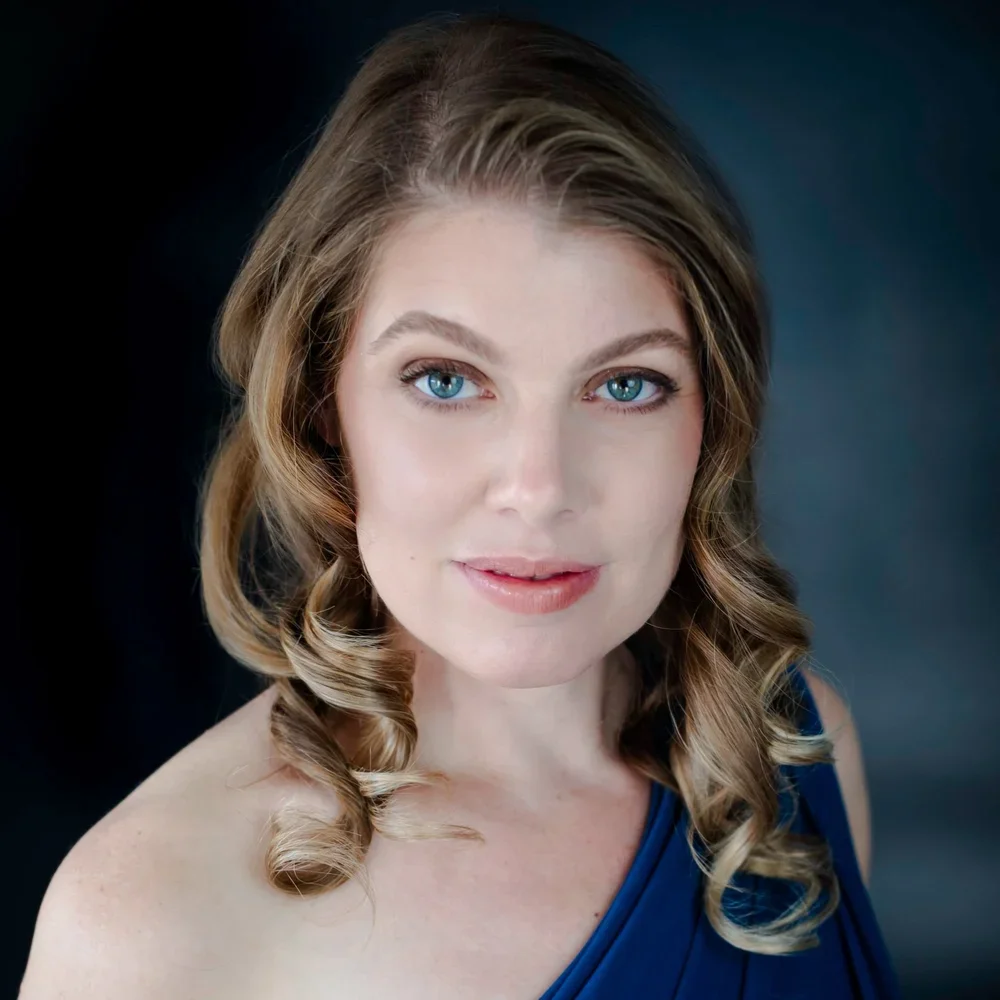
LEANDRA RAMM
CONTRALTO
-

KEVIN GINO
TENOR
-

MATTHEW PETERSON
BARITONE
-

JOHN WILSON
PIANO
-

DON SCOTT CARPENTER
PIANO
The Music
-
Johannes Brahms’s Liebeslieder Walzer are among his most intimate and beguiling works, blending Romantic warmth with Classical poise. Composed in 1869, this set of eighteen short waltzes for vocal quartet and piano four-hands draws its texts from Polydora, a collection of folk poetry translated by Georg Friedrich Daumer. Though modest in scale, the Liebeslieder reveal Brahms at his most refined, crafting music of remarkable emotional variety within a concise framework.
Inspired by the Viennese waltz tradition, the pieces move effortlessly between flirtation, longing, tenderness, and bittersweet resignation. Brahms’s writing is exquisitely economical: brief melodic gestures, subtle harmonic shifts, and rhythmic lilt combine to convey complex emotional states. The piano accompaniment is both supportive and conversational, creating a chamber-like intimacy that allows the voices to intertwine naturally.
While the texts speak of love in its many guises—joyful, playful, unrequited, and reflective—the music never lapses into sentimentality. Instead, Brahms balances emotional immediacy with structural elegance, maintaining clarity and restraint even in the most expressive moments. The final waltz, with its gently fading close, leaves the listener with a sense of wistful calm.
The Liebeslieder Walzer occupy a unique place in Brahms’s output: informal yet sophisticated, light in spirit yet profound in craft—an enduring testament to his mastery of small forms and human emotion.